40G DAC: QSFP+ to QSFP+ in the rack
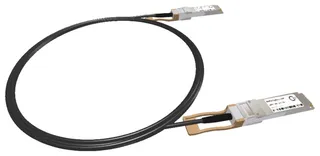
This DAC (direct attach copper) cable connects two QSFP+ ports at 40G, with a fixed QSFP+ connector at both ends and twinax copper in between. No optics, no patch cable: plug it into two ports and you have a 40GBASE-CR4 link. For an uplink between switches or a server to a switch in the same rack, it is the lowest-power and cheapest choice.
Length: 0.5, 1 or 2 m
We supply this cable in 0.5, 1 and 2 m. That covers most links within one rack: between two stacked switches, or from a top-of-rack switch to a server a few units down. Don't pick it too long, because twinax is thick and stiff and doesn't coil well. Not sure about the length? Use the patch cable length calculator.
How 40G over copper works
40GBASE-CR4 uses four 10G lanes per direction: eight twinax pairs in one cable. That is why a 40G DAC is thicker than a 10G SFP+ DAC cable. The cable has no optics and draws hardly any power, so heat is not an issue, even in a full switch. Note: this is a straight QSFP+ to QSFP+ cable, not a breakout to four SFP+ ports.
Coding for your switch
A DAC identifies itself to the switch with a vendor ID, just like a transceiver. Many switches reject an unknown cable or raise a warning. So pick your equipment's vendor under Coding: we supply it coded for 21 vendors, from Cisco, Juniper and Arista to Mellanox/NVIDIA and MikroTik, at no extra cost. Connecting two different vendors? Ask us and we'll work out which coding works at both ends.
When to pick something else?
If the link has to go beyond 2 m, to another rack or through a patch panel, pick 40G optics with a patch cable; you'll find them under QSFP+ 40G. Moving to 100G? There's the 100G QSFP28 DAC cable. A DAC is one piece: if something goes wrong, you replace the cable. So keep a spare in stock in the length you use most.